Understanding Macros for Home Cooks: Protein, Carbs, and Fat Made Simple
A plain-language guide to macros — protein, carbs, and fat — and how understanding them can help you plan more balanced home-cooked meals.
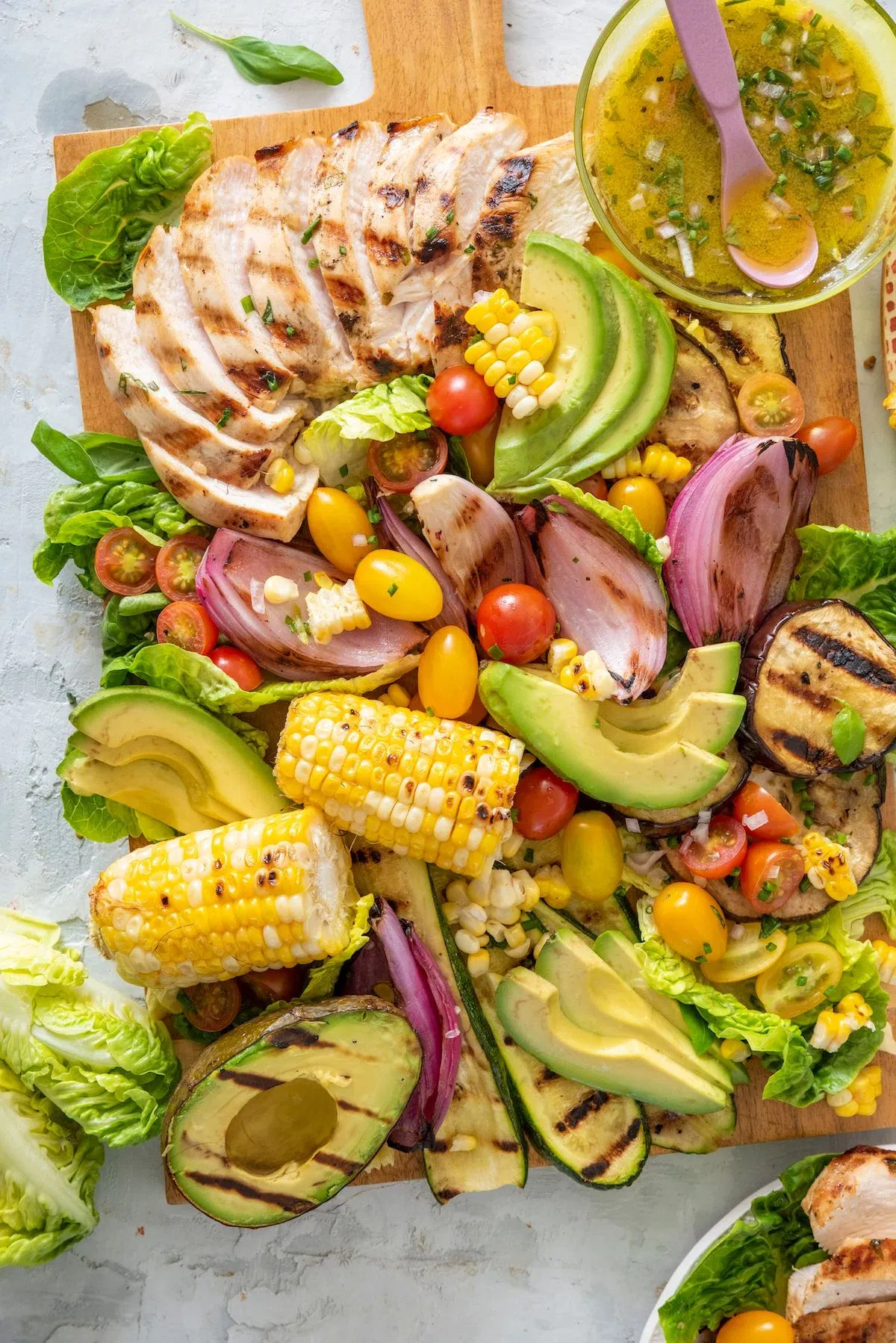
"Macros" is short for macronutrients — the three main categories that make up the food we eat: protein, carbohydrates, and fat. You don't need a nutrition degree or a food scale to cook with them in mind. Thinking about macros in the kitchen is really just a way of asking, "does this meal have some protein, some carbs, and some fat, or is it missing a piece?"
A quick note: this is general cooking information meant to make grocery shopping and meal planning easier — it isn't medical or dietary advice, and it isn't meant to prescribe specific amounts. If you have specific health goals or conditions, a registered dietitian or doctor is the right resource.
Protein: The Building Block
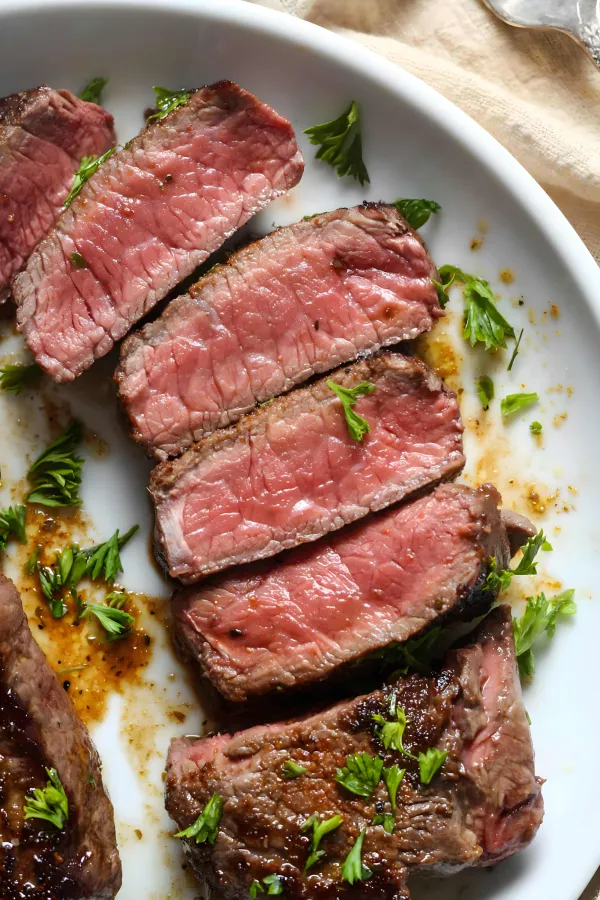
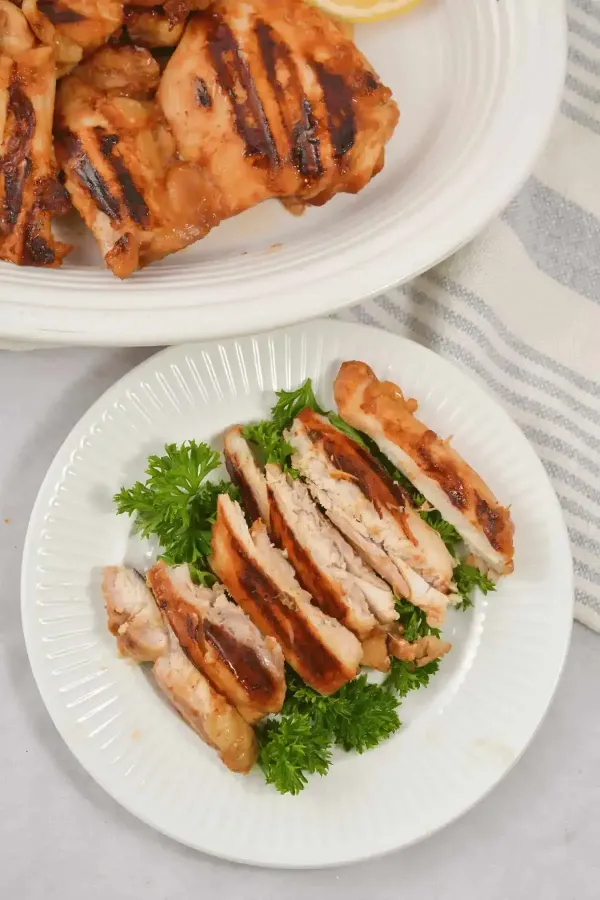
Protein shows up in meat, poultry, fish, eggs, dairy, tofu, tempeh, beans, and lentils. In everyday cooking, protein is often the ingredient that makes a meal feel satisfying rather than a quick snack. A simple habit: when planning a meal, pick your protein source first, then build the rest of the plate around it.
Carbohydrates: The Energy Source
Carbs include grains (rice, pasta, bread, oats), starchy vegetables (potatoes, corn, squash), fruit, and legumes. They're often treated as the "extra" on a plate, but they're a normal and useful part of most home-cooked meals, providing energy for the day. Whole-grain versions of rice, bread, and pasta also bring in fiber, which helps meals feel more filling.
Not All Carbs Are the Same
A baked potato, a slice of white bread, and a bowl of lentils are all technically carbohydrate sources, but they behave differently in a meal because of their fiber and protein content. There's no need to avoid any of them — variety across whole grains, vegetables, and legumes is generally more useful than eliminating a category entirely.
Fat: Flavor and Satisfaction
Fat carries flavor, helps you feel satisfied after eating, and is essential for cooking technique — think olive oil for sautéing, butter for richness, or avocado and nuts for texture. Home cooking doesn't need to fear fat; it's usually more useful to think about the type and source (olive oil, nuts, fatty fish) than to try to minimize it.
Putting It Together on a Plate
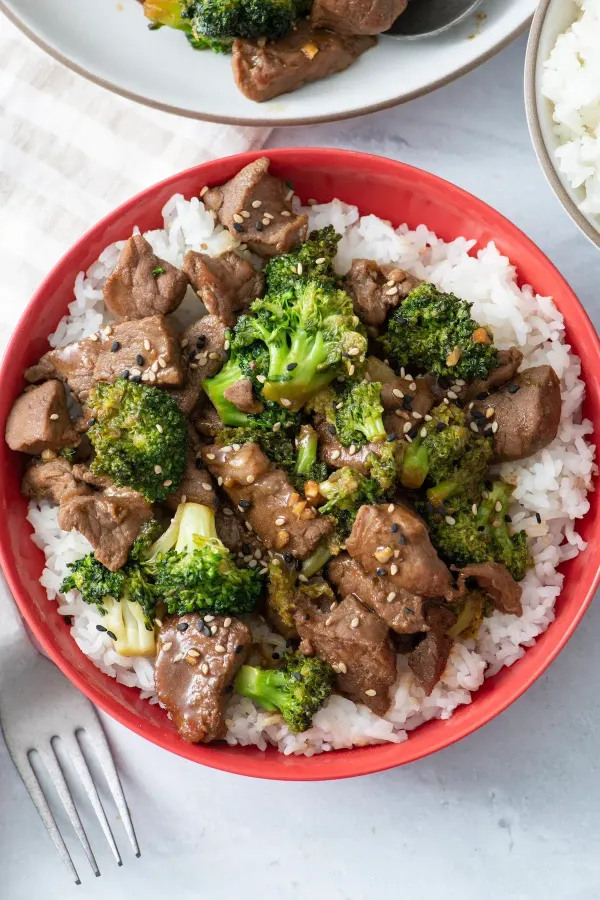
In practice, a balanced home-cooked meal usually has a bit of all three: a protein (chicken, beans, eggs), a carbohydrate (rice, bread, potatoes), and some fat (a drizzle of oil, cheese, nuts, or a dressing) alongside vegetables for volume and fiber. There's no single "correct" ratio for every person or every meal — the goal is simply to notice if a plate is missing one of the three pieces.
Practical Closing Tips
- Build meals around a protein source first, then add a carb and a fat.
- Swap in whole grains sometimes for extra fiber, without eliminating refined ones.
- Use healthy fats like olive oil and nuts as a normal part of cooking, not something to avoid.
- Think in terms of balance across a day or week, not perfection at every single meal.