How to Read a Recipe Before You Ever Touch a Knife
Learn how to read a recipe start to finish before cooking — the one habit beginners skip that causes burnt dinners and 11pm grocery runs.
Every confident cook shares one quiet habit: they read the whole recipe before they preheat anything. It sounds obvious, but skipping this step is the single most common reason a simple weeknight dinner turns into a scramble. The good news is this habit takes two minutes to learn and pays off every single time you cook.
Read It Twice, Start to Finish
The first read is for the big picture — what are you making, how long does it take, and does it match your evening? The second read is for details: exact measurements, oven temperatures, and any step that says something needs to chill, rest, or marinate for an hour. Catching that second read now, instead of at step four, is what separates a smooth cook from a stressful one.
Check What You Actually Have
Before you commit to a recipe, scan the ingredient list against your fridge and pantry. Do you have every ingredient, or will you need a substitution? Recipes often assume things you might not have on hand, like fresh herbs, a specific vinegar, or buttermilk. Knowing this upfront means no surprise trip to the store halfway through cooking.
Understand the Timing
Look for two kinds of time: active time (the minutes you're actually chopping, stirring, and standing at the stove) and total time (everything, including simmering, baking, or resting). A recipe that takes "45 minutes" might only need 15 minutes of your attention — or it might need you hovering the whole time. Knowing which kind of recipe you're dealing with helps you plan your evening.
Decode the Shorthand
Recipes are written in a kind of shorthand: "1 onion, diced," "2 cloves garlic, minced," "butter, softened." These small words at the end of an ingredient tell you how to prep it before you start cooking, not while a pan is already hot and waiting. Reading ahead means your prep work — chopping, measuring, softening — is done before anything hits the heat, which is the real secret to cooking that doesn't feel rushed.
Trust the Process, Not Just the Photo
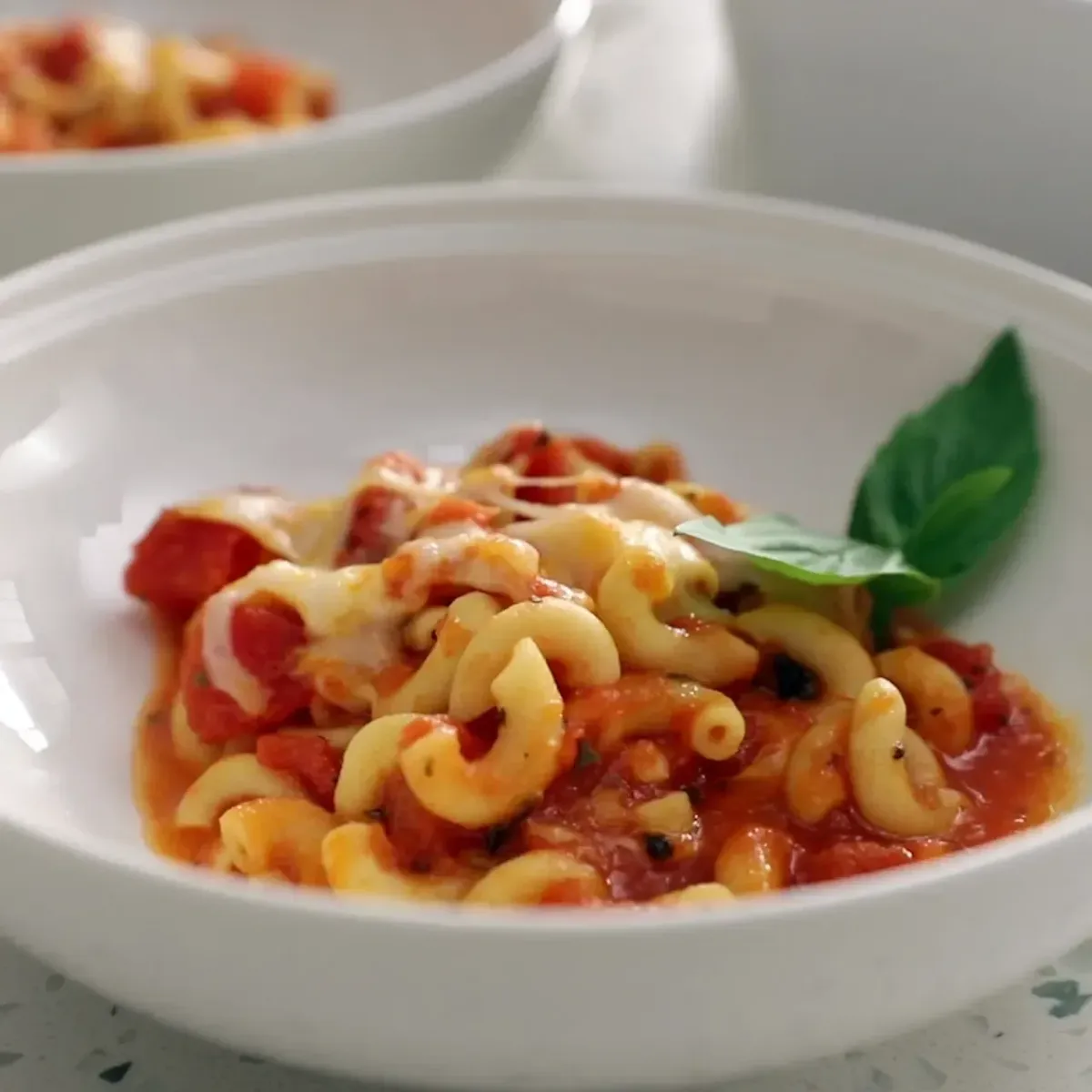
The photo shows you the destination, but the steps are the map. Don't worry if your dish looks a little different along the way — every kitchen, stove, and pan behaves slightly differently. Focus on the cues the recipe gives you (golden brown, fragrant, thickened) rather than trying to match a photo exactly.
Reading a recipe fully before you start isn't extra work — it's the shortcut. Once it becomes a habit, you'll cook with less stress and a lot more confidence, and that's really what Beginner Basics is all about.