High-Protein Meal Prep Basics: A Simple System for the Week Ahead
A beginner-friendly guide to high-protein meal prep: pick a protein anchor, batch cook once, store smart, and eat well all week without the boredom.
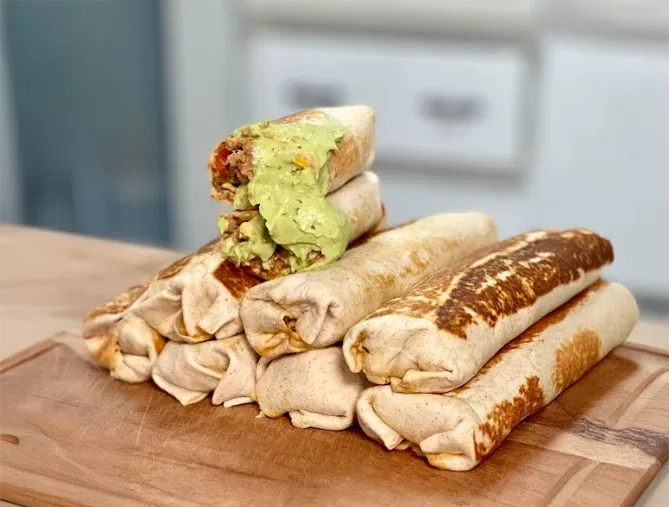
Meal prep has a reputation for being complicated, but it doesn't need to be. At its core, high-protein meal prep is just a system: cook a few proteins and staples in bulk once, then mix and match them into meals throughout the week. Whether you're trying to eat more filling meals, save time on weeknights, or simply stop deciding what's for dinner every single day, a little planning goes a long way.
A quick note: this article is general cooking information, not medical or nutrition advice. Everyone's needs are different, so treat these ideas as a starting point rather than a rulebook.
Start With a Protein Anchor
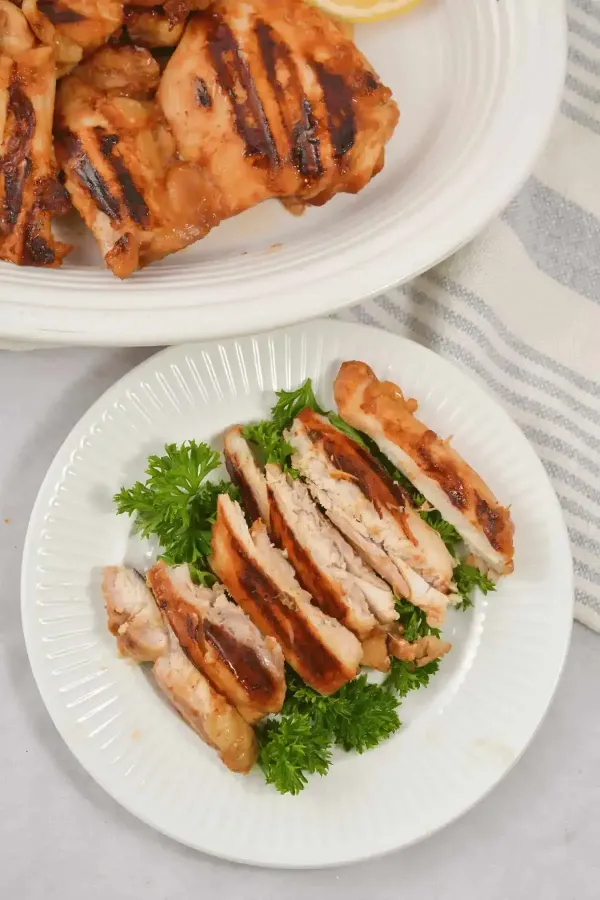
Pick two or three proteins you actually enjoy eating cold or reheated. Good options include roasted chicken thighs, baked tofu, hard-boiled eggs, lentils, or seared salmon. Cooking a big batch of each takes roughly the same effort as cooking a single portion, so you're trading a bit of upfront time for several ready-to-go meals later.
Keep the Seasoning Simple
Season proteins lightly during the initial cook — salt, pepper, and a neutral oil — then add bolder sauces or spice blends when you assemble each meal. This keeps your base ingredients flexible instead of locking every future meal into one flavor profile.
Batch Cook Once, Assemble All Week
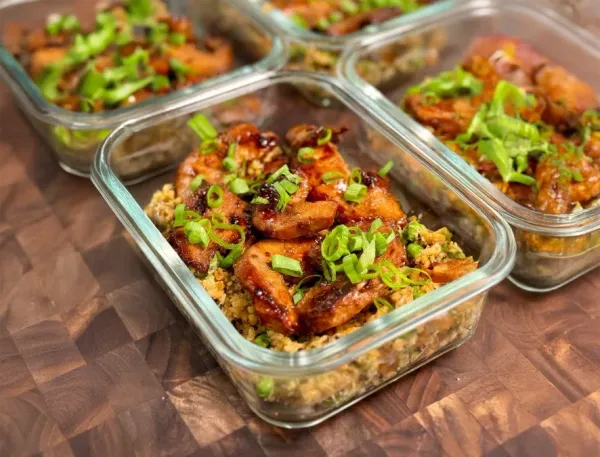
Alongside your proteins, roast a tray of vegetables and cook a pot of a grain or starch, such as rice, quinoa, or potatoes. With these three components on hand, building a meal becomes an assembly exercise rather than a cooking project: a scoop of grain, a handful of vegetables, a portion of protein, and a sauce or dressing to tie it together.
- Roast vegetables on a sheet pan while your grain simmers on the stove.
- Cook proteins in a separate pan or in the oven at the same time to save total effort.
- Portion into containers once everything has cooled slightly, to avoid trapping steam.
Storage That Keeps Food Tasting Fresh
Cooked proteins generally keep well in the refrigerator for about three to four days in sealed containers. If you want to stretch your prep across a longer week, freeze half the batch in individual portions and thaw as needed. Keep sauces and dressings separate until serving time — this simple step does more than almost anything else to keep meal-prepped food from tasting soggy or one-note.
Keep It From Getting Boring
The biggest reason meal prep routines fall apart isn't lack of time — it's boredom. Combat this by rotating two or three sauces (a peanut-lime dressing, a garlicky yogurt sauce, a simple vinaigrette) and swapping your vegetable and grain choices weekly. The protein can stay consistent while everything around it changes.
Practical Closing Tips
- Cook once, portion into 3–4 containers, and refrigerate the rest for later in the week.
- Undercook vegetables slightly, since reheating will soften them further.
- Label containers with the date so nothing gets forgotten in the back of the fridge.
- Keep one "wildcard" sauce on hand to make a repeat meal feel new again.