Gluten-Free Cooking Swaps That Actually Work in Real Kitchens
Practical gluten-free substitutions for flour, pasta, and sauces that hold up in real home cooking, not just in theory.
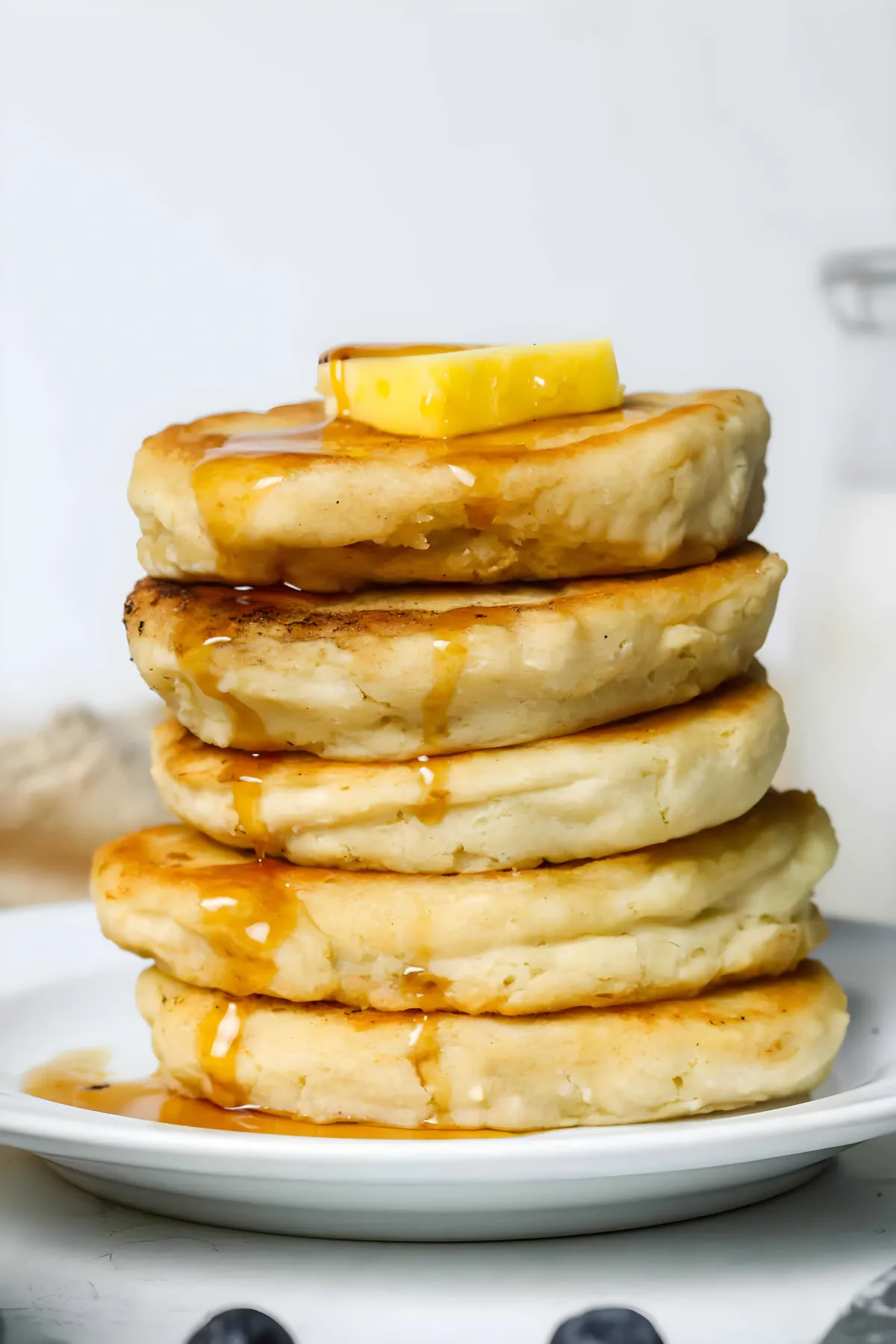
Cooking gluten-free can feel like a minefield of trial and error, especially with baking. But a handful of reliable swaps cover most everyday cooking situations — weeknight dinners, sauces, and simple baked goods — without requiring specialty ingredients you'll only use once.
A quick note: this article covers general cooking substitutions, not medical guidance. If gluten avoidance is related to a diagnosed condition such as celiac disease, cross-contamination and ingredient sourcing matter in ways worth discussing with a doctor or dietitian.
Flour and Baking Swaps
A 1:1 gluten-free flour blend (usually a mix of rice flour, starches, and xanthan gum) is the most forgiving swap for everyday baking — cookies, muffins, and quick breads generally hold up well. For thickening sauces and gravies, cornstarch works as a direct substitute for wheat flour, though it should be mixed with cold liquid before adding to a hot pan to avoid clumping.
Where Swaps Get Trickier
Yeast breads and pizza dough are the hardest category to replicate, since gluten is what gives those doughs their stretch. Store-bought gluten-free bread and pizza crusts have improved significantly and are often a more practical choice than attempting a from-scratch loaf at home.
Pasta and Noodles
Rice-based and corn-based gluten-free pastas cook closer to traditional wheat pasta than older versions did, especially if slightly undercooked and finished in the sauce for the last minute of cooking. Rice noodles, and naturally gluten-free options like buckwheat soba (check the label, as some blends include wheat) or shirataki noodles, work well in soups and stir-fries.
Sauces, Soy Sauce, and Hidden Gluten
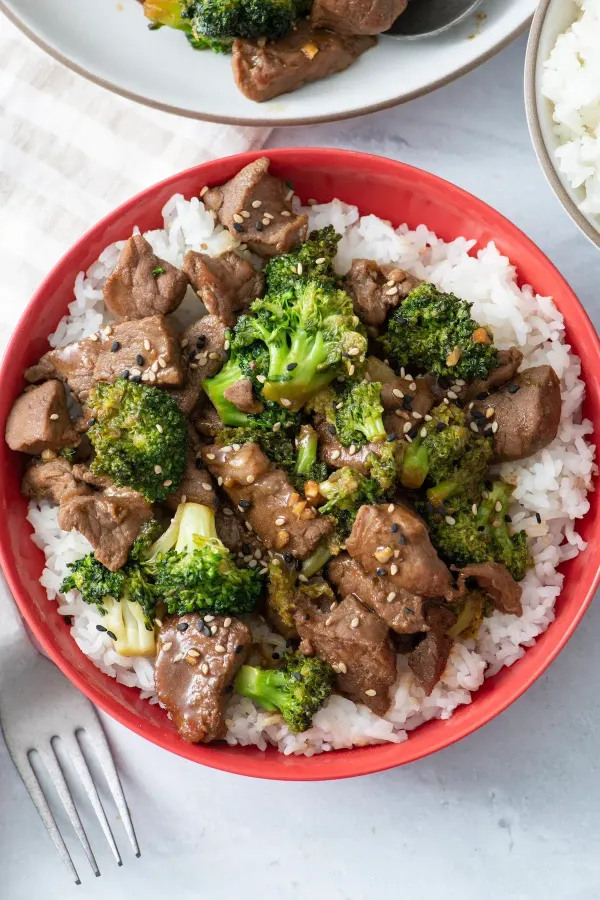
Gluten hides in more places than bread and pasta. Regular soy sauce contains wheat, so tamari (a naturally gluten-free alternative) is a simple one-for-one swap in stir-fries and marinades. Roux-based sauces can be rebuilt with cornstarch or a gluten-free flour blend, and many gravies and cream sauces taste identical once thickened this way.
- Soy sauce → tamari or a certified gluten-free soy sauce.
- Wheat flour for thickening → cornstarch or arrowroot, mixed with cold water first.
- Breadcrumbs → crushed gluten-free crackers, cornmeal, or ground nuts.
- Regular pasta → rice or corn-based gluten-free pasta, cooked slightly under package time.
Building Confidence With Simple Meals
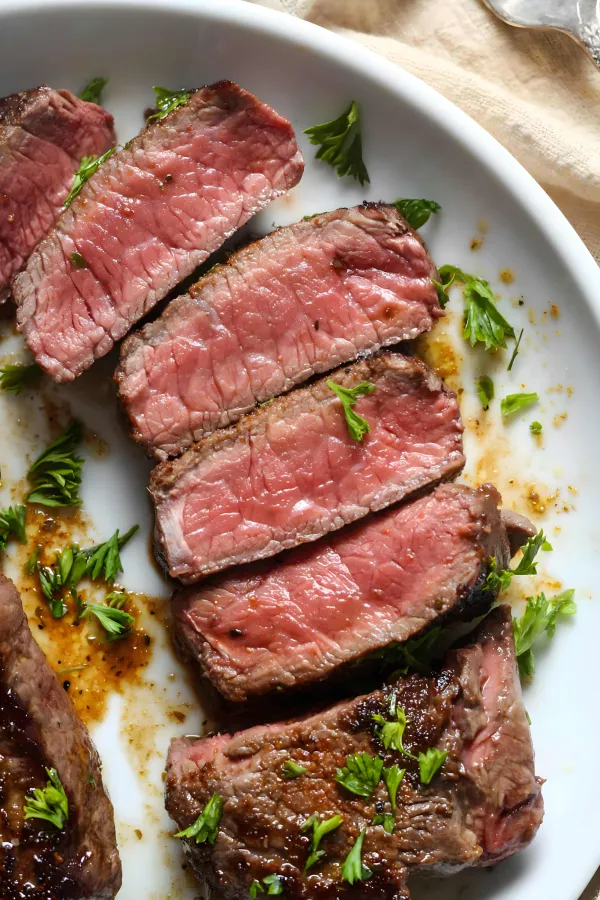
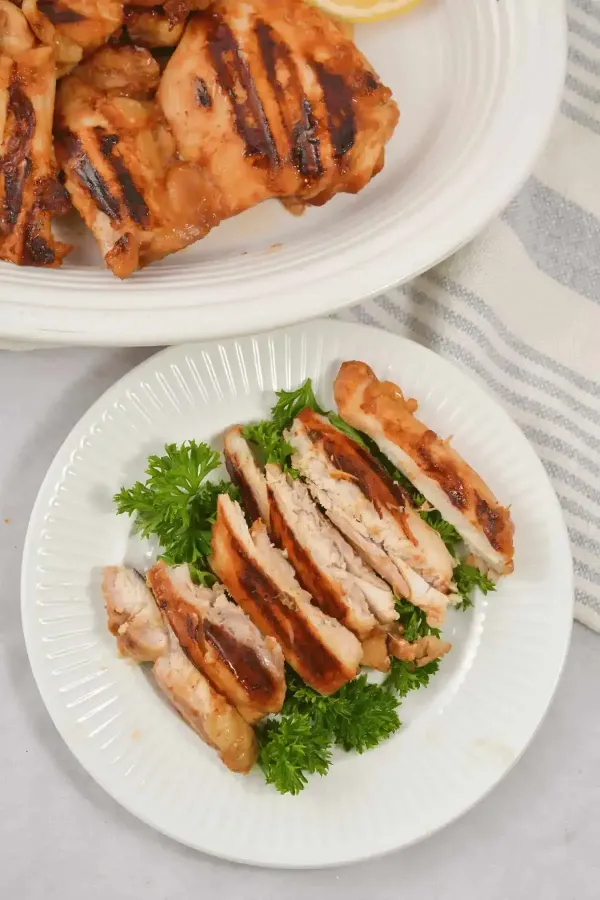
Rather than adapting every favorite recipe at once, start with meals that are naturally gluten-free — rice bowls, grilled proteins with roasted vegetables, salads with a homemade vinaigrette — and expand from there. This builds a base of reliable dinners while you experiment with trickier swaps like baking.
Practical Closing Tips
- Read labels on sauces, broths, and spice blends — wheat shows up as a thickener more often than expected.
- Keep a dedicated gluten-free flour blend on hand rather than buying single starches for one recipe.
- Slightly undercook gluten-free pasta, since it continues softening once combined with sauce.
- Lean on naturally gluten-free cuisines and dishes rather than trying to convert every recipe.