Cozy Fall Soup Season: A Kitchen Journal Starter Guide
How to build deep flavor in fall soups, choose the right pot, and stock a pantry that turns cool-weather cravings into effortless dinners.
There's a specific kind of relief that arrives with the first genuinely cold evening: the realization that soup season has begun. Unlike a lot of cooking, a good pot of soup rewards patience more than precision, which makes it the most forgiving project in the autumn kitchen. Whether you're simmering something brothy and light or a thick, ladle-standing stew, the difference between an average soup and a memorable one usually comes down to a handful of habits.
Build flavor in layers, not all at once
The biggest upgrade home cooks can make is resisting the urge to dump everything into the pot together. Start by sweating aromatics — onion, celery, carrot, garlic — in fat over medium-low heat until they turn translucent and faintly sweet, not browned. This base, sometimes called a sofrito or mirepoix depending on the tradition, is where most of a soup's backbone comes from. Add tomato paste or spices next and let them toast for a minute in the fat before adding liquid; this blooming step wakes up flavors that would otherwise stay muted.
Choose your liquid deliberately
Stock quality matters more in soup than almost any other dish, since it's often more than half of what you're eating. A few guidelines:
- Homemade or slow-simmered store-bought stock gives noticeably more body than boxed broth.
- Low-sodium versions let you control seasoning at the end rather than fighting an over-salted base.
- Save vegetable scraps and bones in the freezer through the season — a stockpot side project pays for itself by December.
If time is short, doctoring a basic broth with a parmesan rind, a bay leaf, and a few peppercorns while it simmers can close a lot of the gap.
Texture is a choice, not an accident
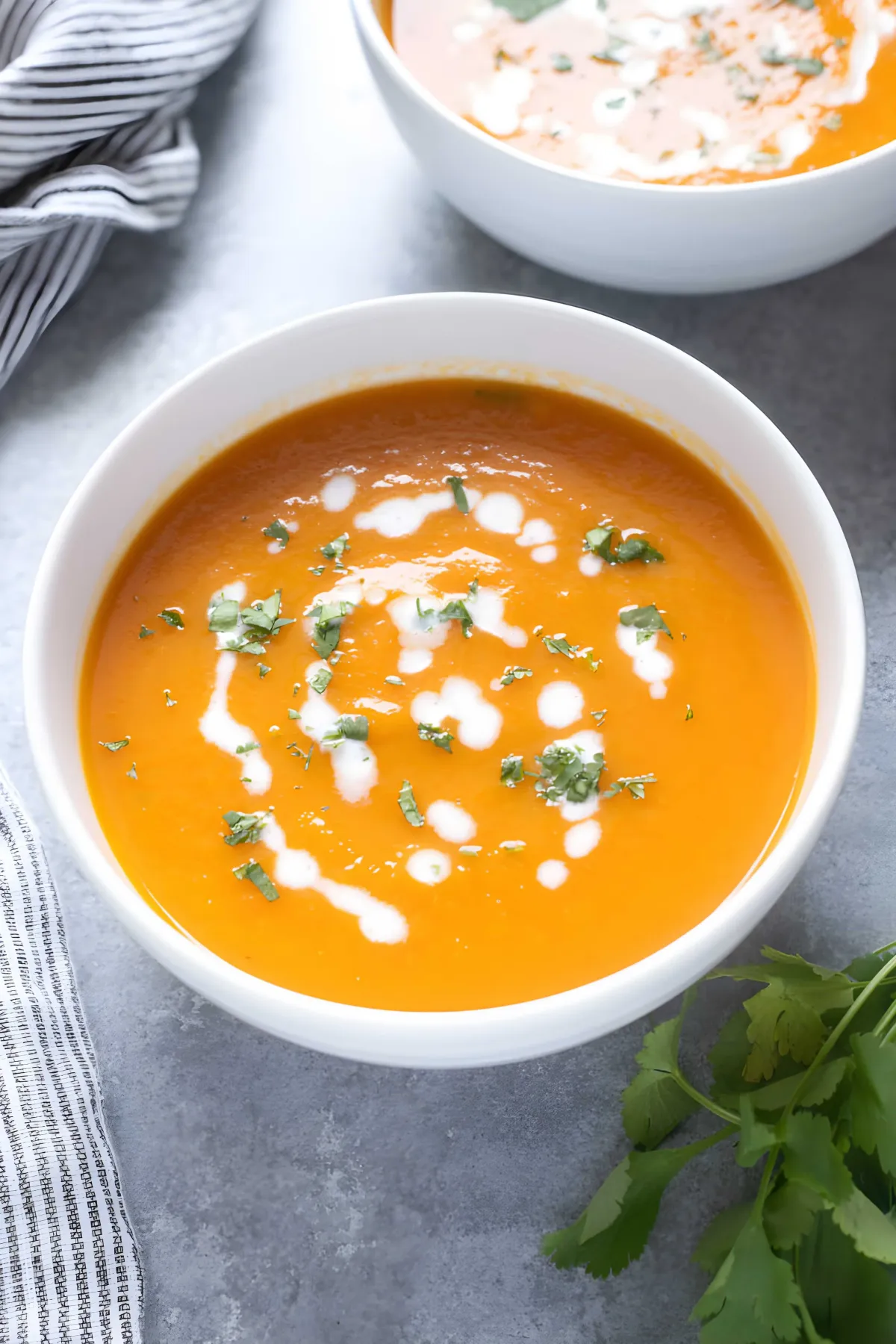
Decide early whether you want brothy, chunky, or pureed, because technique changes accordingly. For a silky squash or potato soup, simmer vegetables until they're fully tender, then blend until smooth and finish with a splash of cream or a swirl of good olive oil. For heartier stews, cut vegetables and proteins in similar sizes so everything cooks evenly, and hold off on adding delicate ingredients — leafy greens, fresh herbs, quick-cooking pasta — until the last few minutes so they don't turn to mush.
A note on acid and salt
Most soups taste flat right up until the last step, when a squeeze of lemon, a splash of vinegar, or a final seasoning adjustment suddenly makes everything click into place. Taste before serving, always — a soup that simmered for two hours can still be one small adjustment away from great.
Stock the pantry for spontaneous soup nights
Keep a rotating stash of canned beans, dried lentils, good stock, canned tomatoes, and a few sturdy winter vegetables on hand. With those basics, a satisfying pot of soup is rarely more than 45 minutes away, even on a weeknight when the fridge feels empty.
Soup season isn't really about any single recipe — it's a mindset: low heat, a little patience, and a willingness to taste and adjust as you go. Once those habits are in place, the rest of autumn's cooking gets a lot easier.